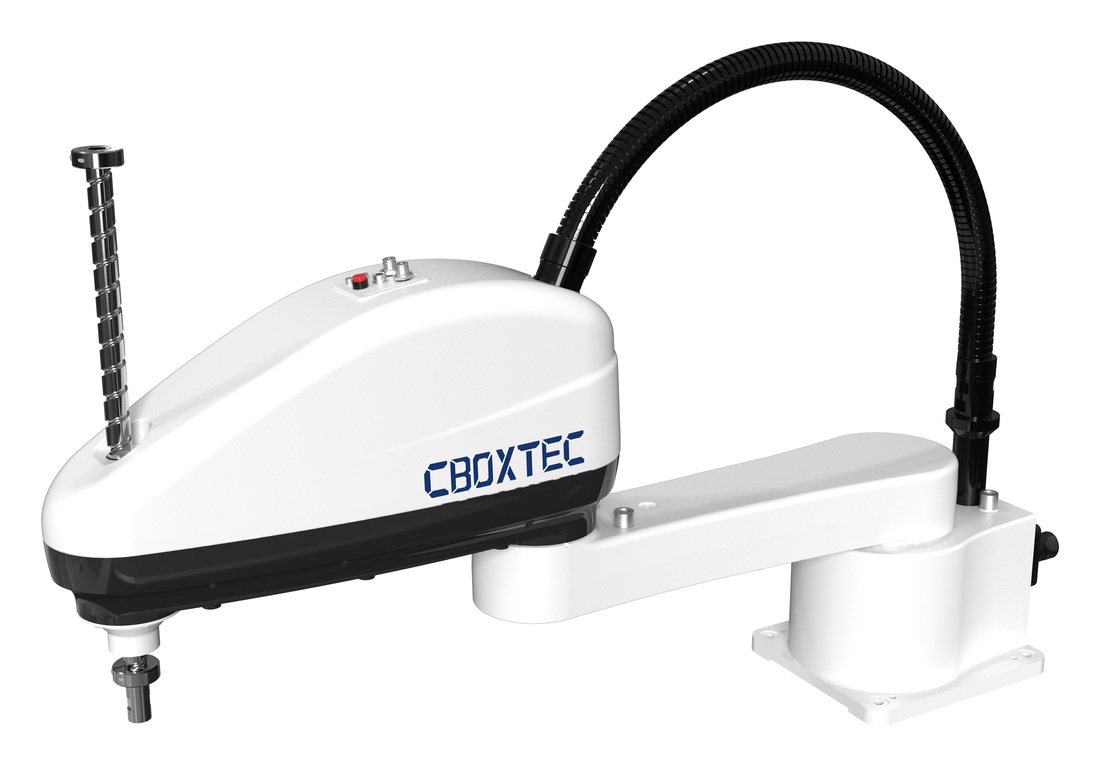
CTS003-400
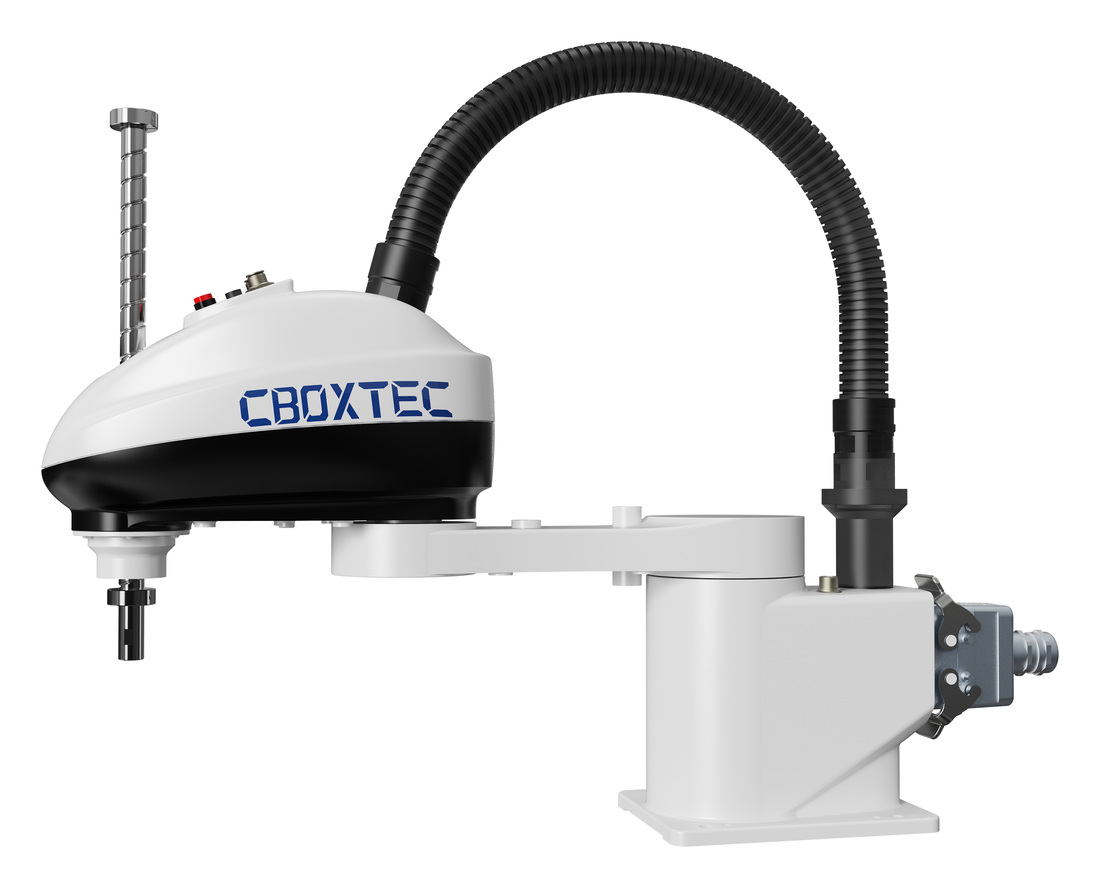
- Axes
- 4
- Reach
- 400 mm
- Rated payload
- 1 kg
- Maximum payload
- 3 kg
- Repeatability · XY
- ±0.01 mm
More parameters
- Repeatability · Z
- ±0.01 mm
- Repeatability · rotation
- ±0.01°
- Z travel
- 170 mm
- Robot weight
- 13 kg
- Power consumption
- 0.7 kW
Choose a robot around tooling load, working envelope, placement requirements and controller interfaces.
Assess your project
Manufacturer catalogue values checked on 8 October 2026. Use these for initial selection; confirm the configuration, tooling load and application test conditions in your quotation.
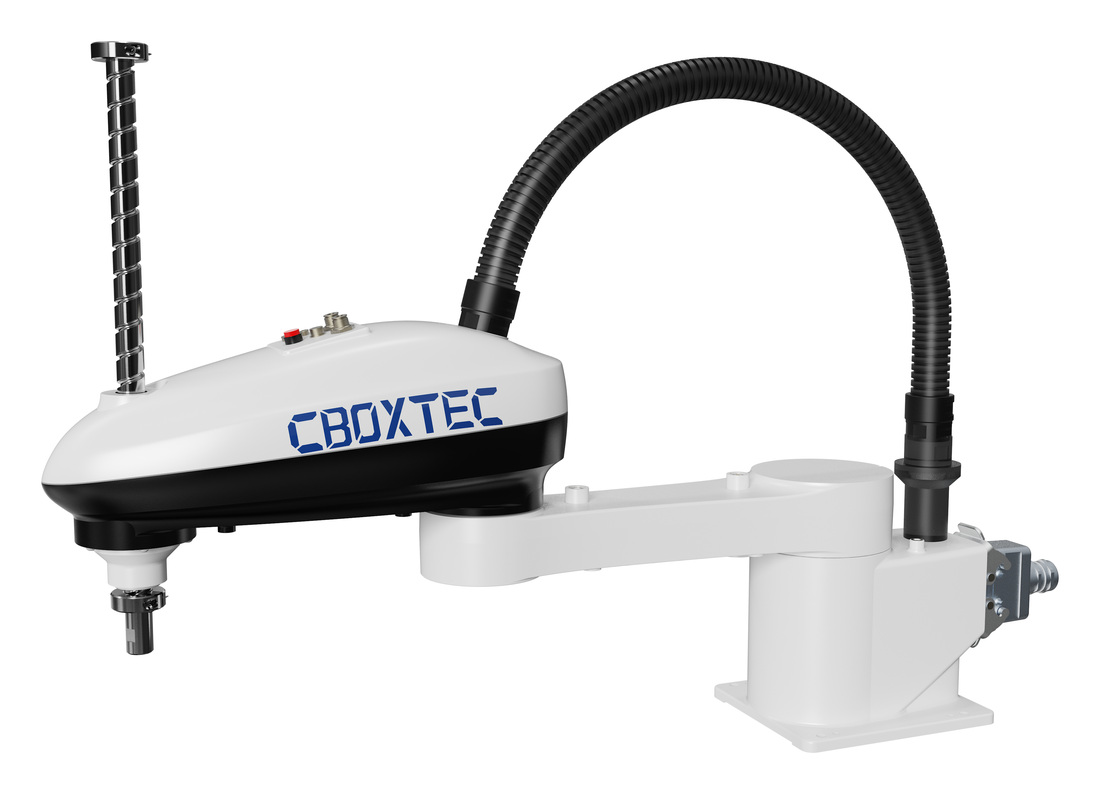
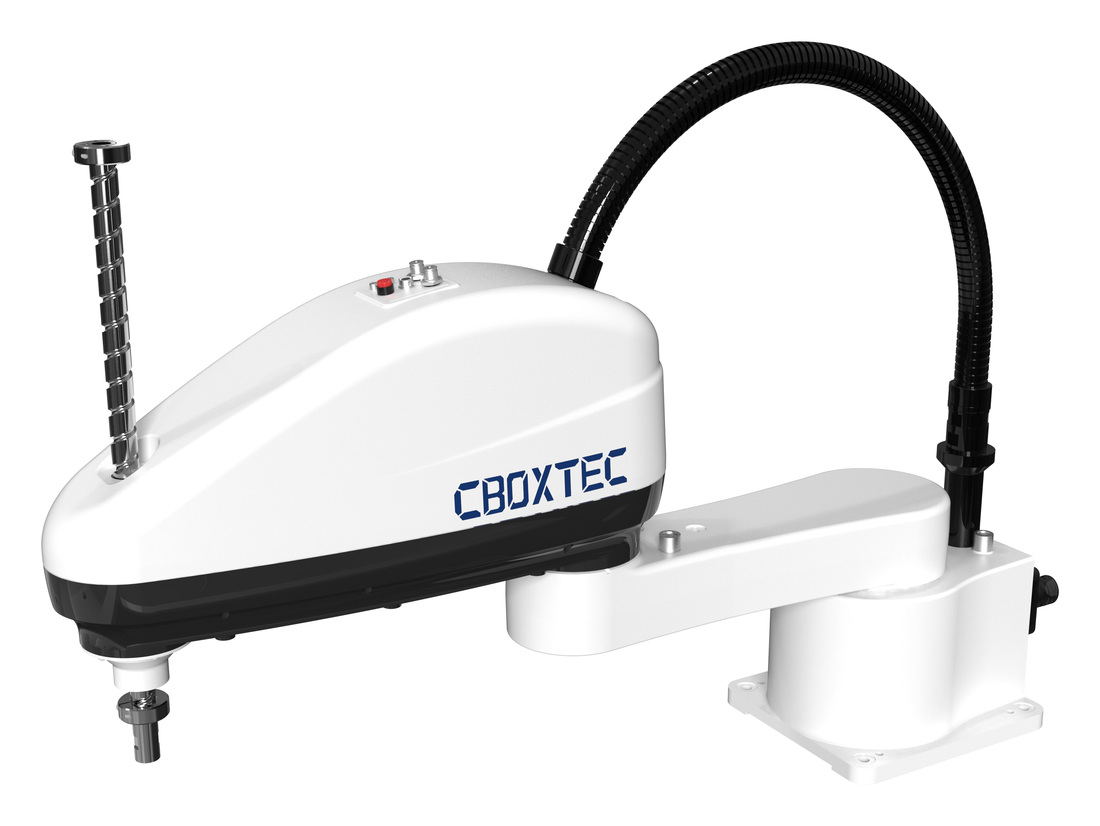
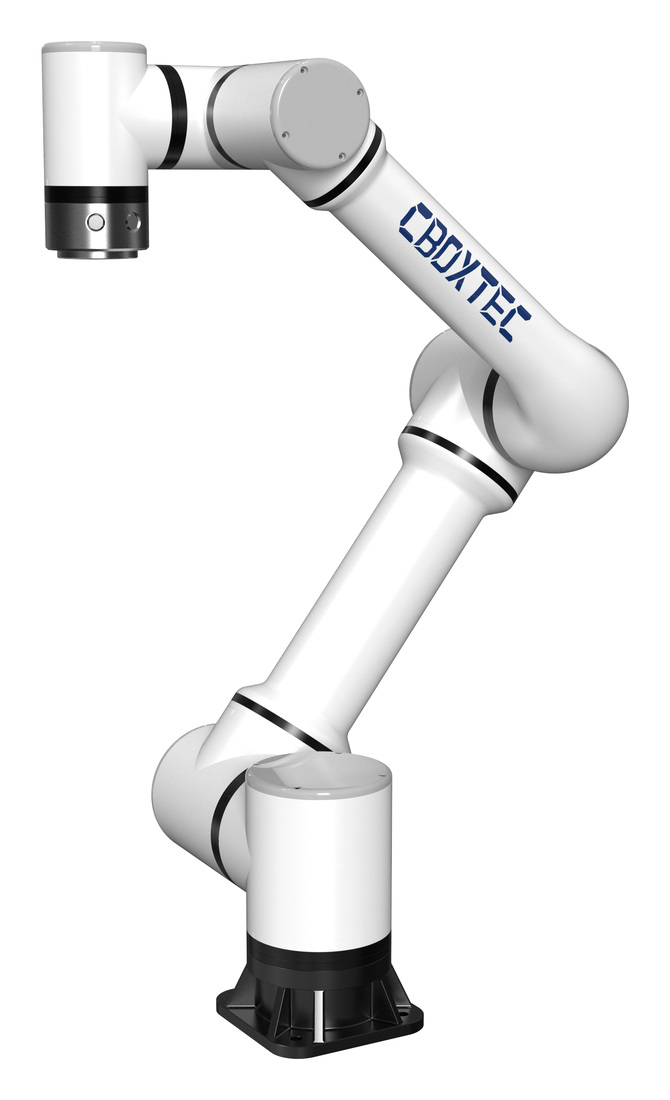
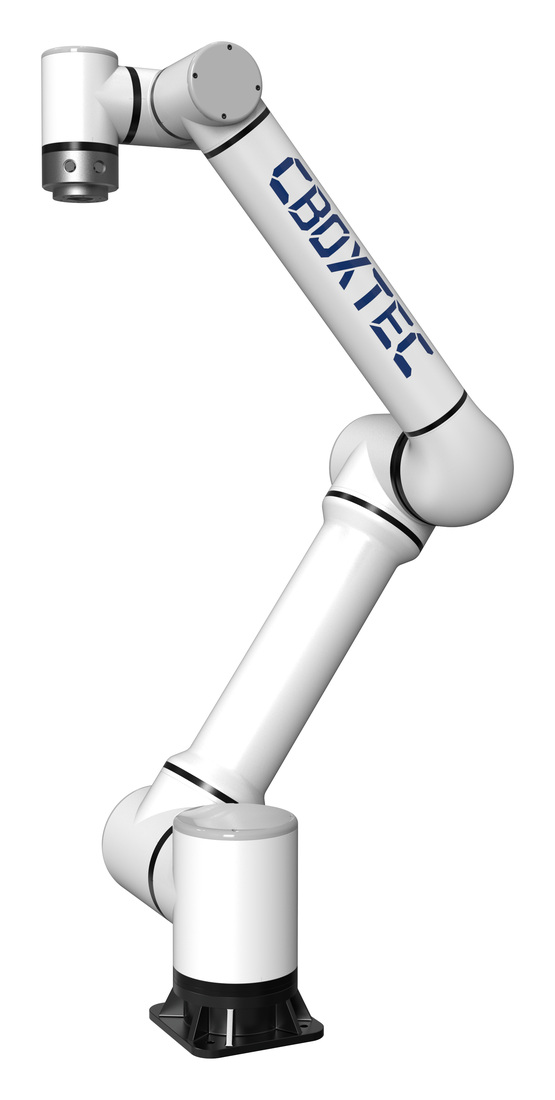
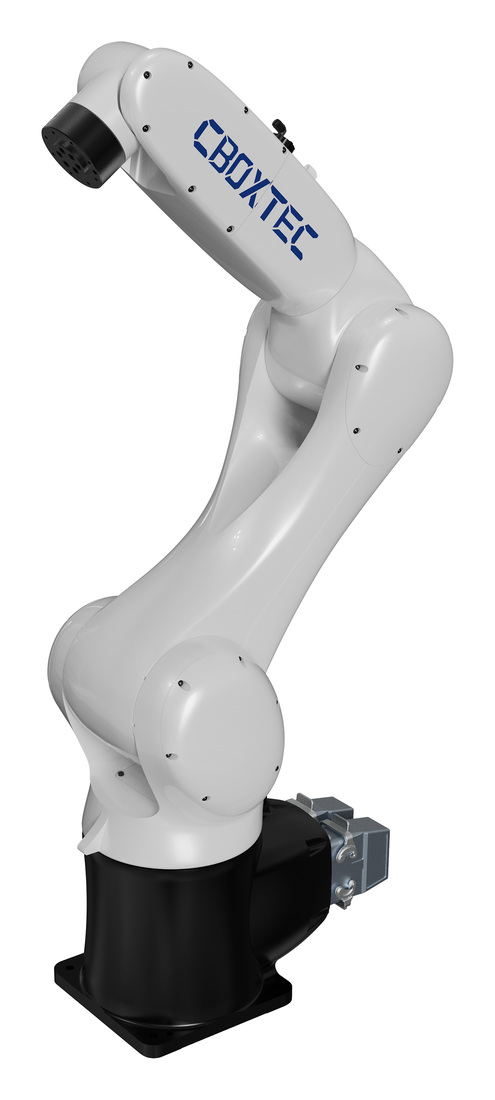
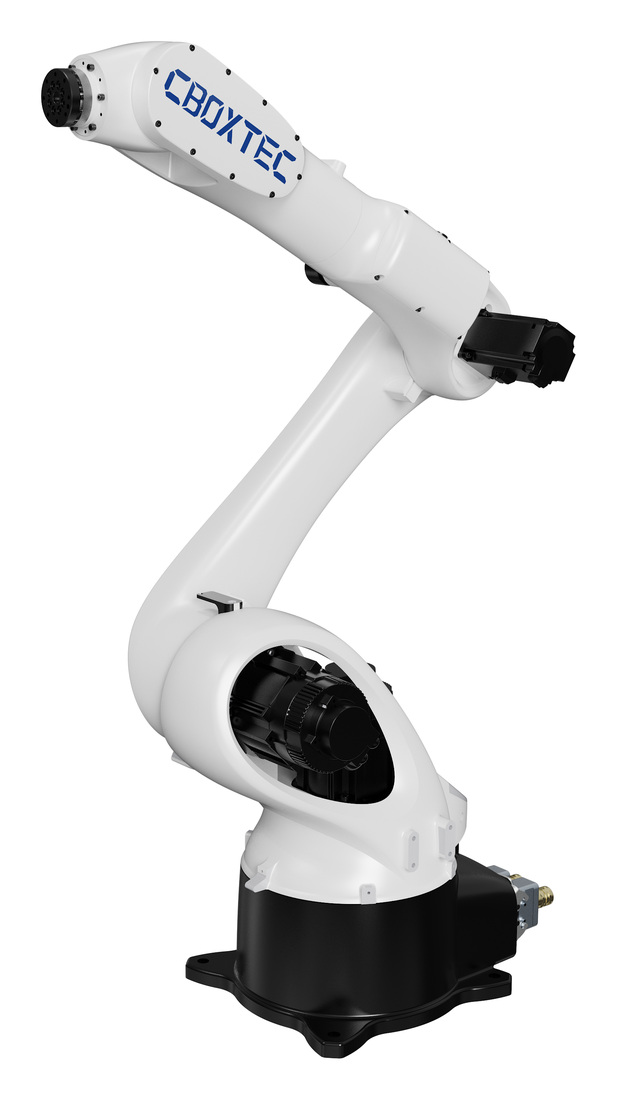
This comparison is compiled from the official product pages; it is not a manufacturer datasheet.
Each model has a local PDF with its product image, key parameters and original English tables. Installation manuals and CAD files are not yet available here.
Include the gripper, adapters and any carried components when reviewing load requirements.
Share pickup and placement positions, orientation changes and space constraints.
Confirm controller details, I/O, communication and the relationship to peripheral equipment.
Catalogue sources checked:
Compare the published specifications for each model above. For SCARA models, rated payload and maximum payload are separate values; also check reach and axis specifications before confirming a configuration.
These PDFs are prepared by this subsite from checked product information and include the corresponding model image. They are not manufacturer-issued specifications. Confirm the quoted configuration and required official documents with the supplier.
The tray application shows a SCARA robot. Its exact model is unconfirmed. The catalogue on this page is a separate selection reference from the official product pages.
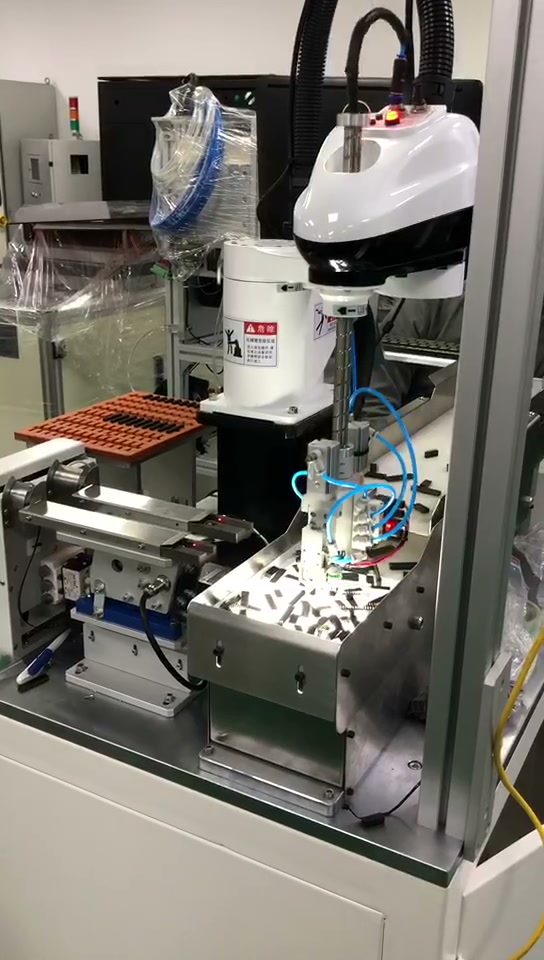
A SCARA robot arranges loose chips into a tray, then passes them to the next process. The next process is not specified.
View case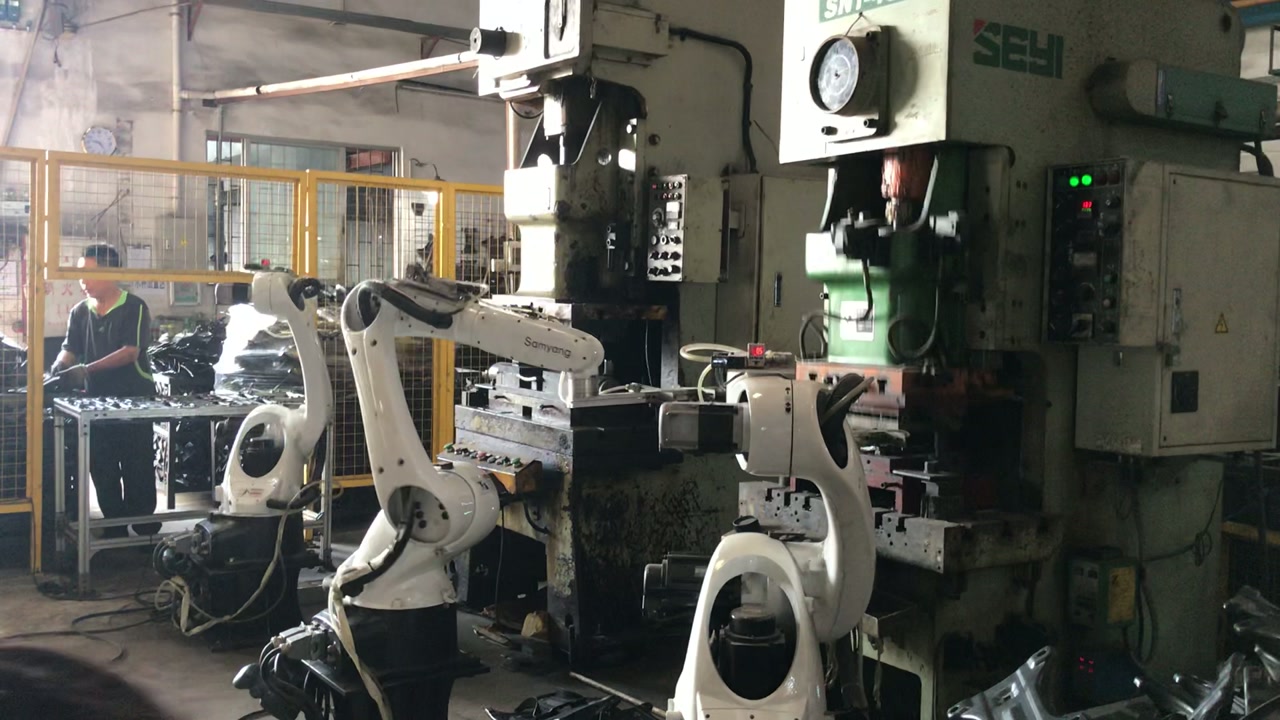
Robot pick-and-place movements around press equipment. Part identity, operating parameters and the scope of machine integration require confirmation.
View caseStart with the essentials. Detailed drawings and sensitive information can be discussed later.